


When Tesla unveiled the official Cybertruck Basecamp, it promised an integrated, futuristic overlanding experience perfectly tailored to the angular geometry of the vault. However, the commercial reality of a nearly $3,000 accessory with complex manual deployment and limited standalone functionality has left many early adopters searching for better options. Evaluating the Cybertruck Camper Price against its actual field utility reveals a significant gap in the market.

From our experience engineering and testing premium electric vehicle camping solutions at TENTSLA, locking yourself into a proprietary, single-use shelter is a tactical error for serious overlanders. The true potential of the Cybertruck lies in its massive payload capacity, integrated high-voltage outlets, and advanced climate control software. To maximize these features, you must look beyond the OEM catalog. In this comprehensive guide, we will leverage our commercial and practical judgment to explore the six most effective alternatives of Cybertruck tent setups, helping you decide whether it is actually worth using third-party gear to elevate your off-grid experience.
Quick Answer: The Best Cybertruck Tent Alternatives
The top alternatives of Cybertruck tent systems focus on maximizing the vehicle's HVAC integration while overcoming the official Basecamp's deployment limitations. The best alternatives include: 1. TENTSLA X1 Tailgate Tents (for seamless vault-to-ground integration), 2. Hardshell Rooftop Tents (mounted on crossbars for quick setup), 3. Custom Vault/Bed Tents (utilizing the tonneau space efficiently), 4. Freestanding Inflatable Hubs (allowing you to drive away without packing up camp), 5. Hitch-Mounted Hammock Shelters, and 6. Modular Awning Systems. For commercial users and weekend warriors alike, utilizing a freestanding integration like the TENTSLA X1 provides superior square footage and weather resistance compared to the official Tesla offering.
Table of Contents
- What Are Cybertruck Tent Alternatives?
- How Third-Party Tents Work with the Vault
- The 6 Best Alternatives of Cybertruck Tent
- Benefits of Aftermarket Setups
- Limitations of Third-Party Gear
- Who Should Use It & Who Does Not Need It
- Common Mistakes in Cybertruck Overlanding
- Critical Buying Considerations
- Expert Recommendation from TENTSLA
- Summary & Comparison Tables
- Frequently Asked Questions (FAQ)
What Are Cybertruck Tent Alternatives?

Alternatives of Cybertruck tent systems refer to aftermarket overlanding shelters designed to interface with the unique architecture of the Tesla Cybertruck. Because the Cybertruck lacks a traditional flat-sided truck bed and features a sloped, motorized tonneau cover (the vault), standard truck bed tents from legacy manufacturers rarely fit properly. Therefore, third-party innovators have engineered specialized tailgate extensions, roof-rack-mounted hardshells, and freestanding inflatable structures that bridge the gap between the vehicle's climate-controlled cabin and the outdoors.
These alternatives capitalize on the truck's massive 120V/240V bed outlets and its sophisticated software. By utilizing a properly sealed alternative, you can leverage the Tesla Model Y Camp Mode Guide principles—adapted for the Cybertruck—to pipe air conditioning and heating directly into your sleeping quarters without idling a gas engine.
How Third-Party Tents Work with the Vault
In most professional situations, integrating a tent with an electric truck involves managing aerodynamics during transit and sealing airflow during deployment. Hardshell rooftop tents (RTTs) mount to the factory mounting points on the roof or above the vault using aftermarket crossbars. Tailgate and hub tents, on the other hand, attach to the rear of the vehicle with the tailgate down, creating a unified living space that extends from the folded rear seats, through the vault, and into the tent structure.
Understanding Tesla Camping Mode Battery Drain is crucial here. The Cybertruck's high-voltage battery can easily power a campsite for days, but if your third-party tent lacks a proper weather seal around the tailgate, the vehicle's HVAC system will work overtime, rapidly depleting your range. The best alternatives prioritize robust, multi-layer magnetic or strap-based sealing mechanisms to trap the climate-controlled air.
The 6 Best Alternatives of Cybertruck Tent Systems
1. TENTSLA X1 Tailgate Integration Tent
We recommend bridging the gap between vehicle and ground with a specialized inflatable structure. The TENTSLA X1 acts as a massive extension to your vehicle's living space. Unlike the official Basecamp which confines you to the truck bed, the X1 allows you to sleep in the climate-controlled vault while using the tent as a spacious living room, dining area, or secondary sleeping quarter. It sets up in minutes via a high-powered electric pump plugged directly into the Cybertruck's bed outlets.
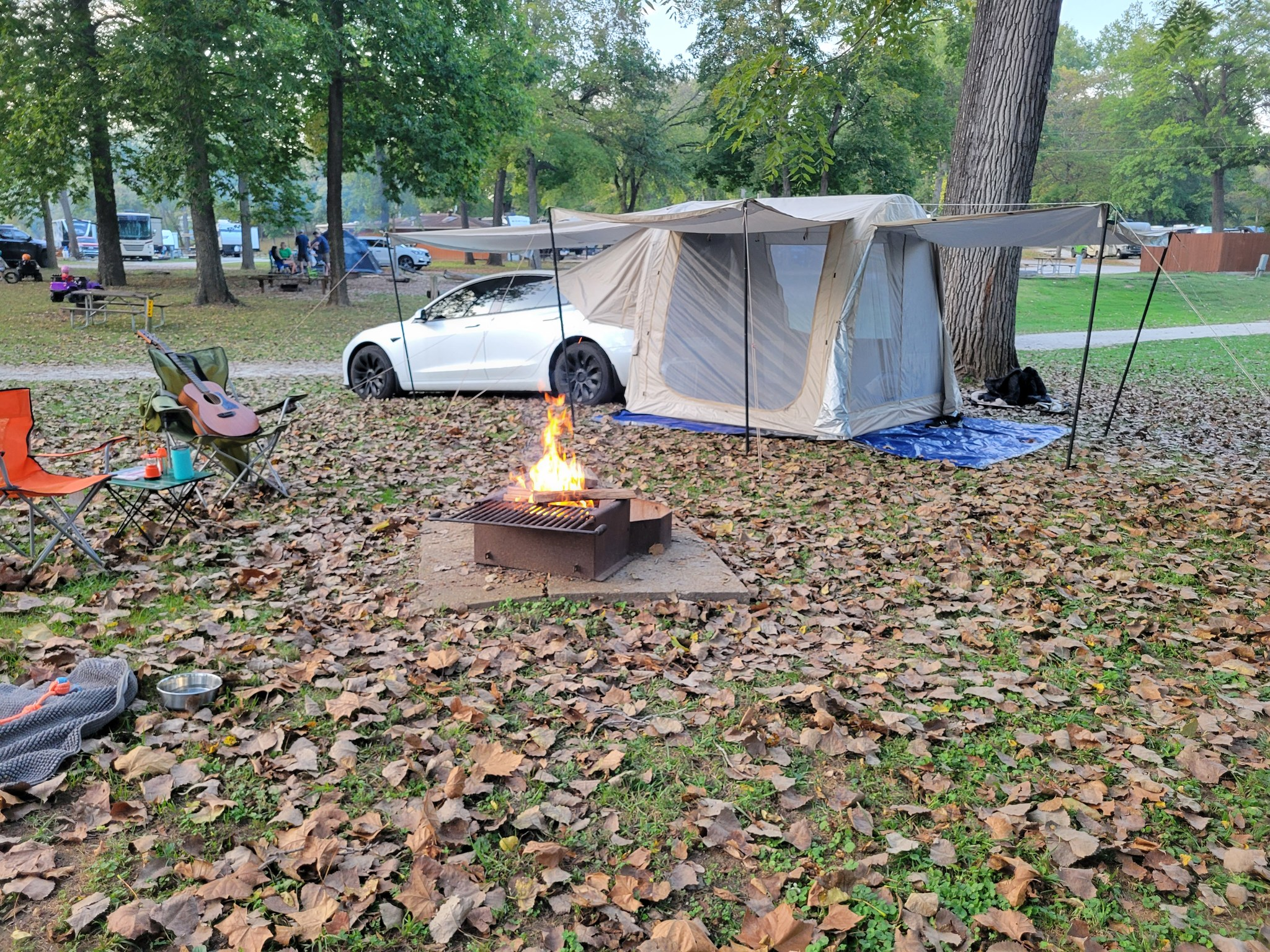
TENTSLA X1 Tesla Camping Tent
Engineered as the ultimate standalone and vehicle-integrated glamping solution, the TENTSLA X1 is fully compatible with the Tesla ecosystem, offering unprecedented space and weather resistance.
- Fast inflatable installation in minutes using vehicle power.
- Compatible across the lineup: Model 3, Model Y, Model X, and adaptable for truck integrations.
- Standalone glamping tent functionality—drive away without losing your camp.
- Weather-resistant multi-layer fabric construction for four-season protection.
- Spacious interior, ideal for road trips, heavy-duty camping, and outdoor adventures.
2. Hardshell Rooftop Tents (Mounted on Crossbars)
For overlanders who demand setup times under 60 seconds, a hardshell RTT mounted on low-profile crossbars above the vault is structurally superior to the official soft-shell Basecamp. Brands utilizing aluminum honeycomb panels provide exceptional durability and allow you to keep your bedding stored inside the tent when closed. The caveat? You lose the ability to pipe the Cybertruck's HVAC directly into the tent, meaning you must rely on 120V electric blankets powered by the truck's outlets.
3. Modified Universal Truck Bed Tents
While the Cybertruck's vault geometry is unique, several aftermarket manufacturers are adapting standard truck bed tents to fit the angular sail pillars. These tents sit entirely within the vault with the tailgate down. They are highly affordable compared to the Cybertruck Tent Price, but they require manual pole assembly and completely block access to the under-bed storage sub-trunk once deployed.
4. Freestanding Inflatable Hub Tents
For commercial users leading guided expeditions, or families setting up basecamp for a week, freestanding inflatable hubs are exceptional alternatives of Cybertruck tent setups. You pitch the tent adjacent to the truck, plug your heavy-duty induction cooktops and electric heaters into the truck's 240V outlet via an extension cord, and enjoy a massive, standing-room shelter. Most importantly, you can unplug and drive the truck to a trailhead without collapsing your campsite.
5. Hitch-Mounted Hammock and Shelter Systems
The Cybertruck features a robust 2-inch hitch receiver capable of supporting massive tongue weight. Hitch-mounted shelter systems utilize heavy-duty steel arms that swing out from the hitch, allowing you to suspend hammocks or deploy a suspended ground tent. This keeps you elevated off rocky or muddy terrain without permanently occupying the truck's vault or roof space.
6. Modular 270-Degree Awning Enclosures
For heavy-duty applications in desert or high-sun environments, a 270-degree freestanding awning mounted to the roof rack provides massive shade coverage. By attaching zip-in canvas walls to the awning, you create a massive enclosed living space wrapping around the side and rear of the truck. This setup is a staple in traditional overlanding and translates perfectly to the Cybertruck platform.
Benefits of Aftermarket Setups
Opting for alternatives over the OEM Basecamp provides critical logistical advantages. First is modularity. If you purchase a high-quality freestanding tent or a universal RTT, you can transfer that asset to another vehicle if you sell your Cybertruck. The official Basecamp is a proprietary, depreciating asset tied to one specific vehicle geometry. Second is cost efficiency. You can easily acquire a premium Tesla Model 3 Camping Tent or a specialized Cybertruck aftermarket setup for less than half the cost of the OEM offering, leaving budget for electric coolers, Starlink mounts, and off-road recovery gear.
Limitations of Third-Party Gear
In our testing, the primary limitation of third-party gear is the aerodynamic penalty. The Cybertruck was engineered in a wind tunnel; bolting a massive square RTT above the roofline will inevitably induce drag, negatively impacting your watt-hours per mile (Wh/mi) efficiency. Furthermore, poorly designed aftermarket tailgate tents may scratch the stainless steel exoskeleton if the strapping mechanisms lack proper microfiber padding.
Who Should Use It & Who Does Not Need It
For commercial users and serious overlanders: If you spend more than 20 nights a year off-grid, you must use robust aftermarket alternatives. You need the structural integrity of hardshell RTTs or the massive footprint of the TENTSLA X1 to wait out multi-day storms comfortably.
For beginners and casual glampers: Exploring Popular Tesla Camping Tents that utilize freestanding inflatable designs is the safest entry point, as they require no permanent vehicle modifications or complex crossbar installations.
Who does not need it: If you are a solo traveler who is under 6 feet tall, you may not need a tent at all. A simple mattress placed directly inside the closed vault with Camp Mode activated provides the most secure, climate-controlled, and stealthy sleeping arrangement possible. Review our insights on Tesla Model Y Sleeping Safety—the same secure, sealed-environment principles apply to the Cybertruck.
Common Mistakes in Cybertruck Overlanding
The most catastrophic mistake we observe in the field is ignoring payload and roof load limits. While the Cybertruck is a heavy-duty machine, dynamic roof limits (the weight the roof can safely carry while in motion) differ drastically from static limits. Bolting a 200-pound RTT to cheap, unrated crossbars can lead to structural failure at highway speeds. Always verify load ratings against Federal safety guidelines.
Another error is obstructing the motorized tonneau cover. Some clamp-on accessories interfere with the tracks of the vault cover. If a rogue tent strap gets pulled into the motorized housing, it will strip the gears, resulting in a massively expensive repair bill at the Tesla Service Center.
Critical Buying Considerations
When selecting the best alternatives of Cybertruck tent gear, evaluate the setup through a lens of strict commercial judgment. Is it actually worth buying? Consider the setup time. If a tailgate tent requires 30 minutes of threading fiberglass poles through nylon sleeves in the dark, it will ruin your trip. Prioritize inflatable structures or gas-strut hardshells that deploy in under three minutes. Furthermore, ensure the material is at least 210D Oxford fabric with a minimum waterproof rating of PU3000mm to withstand sustained backcountry downpours.
Expert Recommendation from TENTSLA
The TENTSLA Verdict
From our experience engineering seamless EV camping integrations, the official Cybertruck Basecamp is a visually cohesive but functionally restrictive product. We unequivocally recommend pivoting to aftermarket alternatives. For the ultimate Tesla Cybertruck Camping Setup, utilizing a freestanding, inflatable integration like the TENTSLA X1 provides the highest return on investment. It allows you to harness the truck's 240V power architecture to inflate the structure effortlessly, creates a massive weather-sealed living room off the tailgate, and crucially, gives you the tactical freedom to detach the truck and explore the trails without breaking down your entire campsite.
Summary & Comparison Tables
| Tent Category | Setup Time | HVAC Integration | Stand-Alone Capability |
|---|---|---|---|
| TENTSLA X1 Inflatable | < 5 Minutes | Excellent (Via Tailgate) | Yes (Drive-away capable) |
| Hardshell RTT | < 1 Minute | Poor (Requires 120V heaters) | No (Fixed to vehicle) |
| OEM Basecamp | 10-15 Minutes | Good | No (Locked to vault) |
| Awning Enclosures | 10-20 Minutes | Poor | No (Attached to rack) |
| Feature | Tesla Official Basecamp | Premium Aftermarket (e.g., TENTSLA X1) |
|---|---|---|
| Price Point | ~$2,975 (Highly Expensive) | $600 - $1,500 (High Value) |
| Living Space | Restricted to the truck bed footprint | Expands significantly beyond the tailgate |
| Vehicle Modularity | Cybertruck specific only | Transferable to other EVs/Trucks |
| Storage Penalty | Occupies dedicated vault space when collapsed | Packs down into portable duffel bags |
| Criteria | What to Demand | Why It Matters |
|---|---|---|
| Weatherproofing | PU3000mm+ rating, taped seams | Prevents water pooling in the vault during storms. |
| Aerodynamics | Stows below the roofline | Preserves battery range and reduces wind noise on highways. |
| Deployment | Inflatable tubes or gas struts | Eliminates the frustration of manual pole assembly in harsh conditions. |
Frequently Asked Questions (FAQ)
Can I use Camp Mode with a third-party tailgate tent?
Yes. If you utilize an alternative like the TENTSLA X1 that seals securely around the Cybertruck's open tailgate, you can leave the mid-gate or rear window open (depending on the truck's final production configuration) and allow the vehicle's automated Camp Mode to push climate-controlled air directly into the tent structure while maintaining high-voltage power to the bed outlets.
Are rooftop tents safe to mount on the Cybertruck?
In most professional situations, yes, provided you use certified crossbars mounted to the factory hardpoints along the roofline or vault rails. You must strictly adhere to the dynamic load limits specified in the vehicle's manual to ensure the structural integrity of the glass and exoskeleton during transit.
Why choose an inflatable tent over a traditional pole tent for overlanding?
Inflatable tents utilize high-pressure TPU air columns instead of fiberglass poles. Because the Cybertruck features built-in 120V outlets, you can plug in a high-volume air pump and erect the entire structure in minutes without manual labor. Furthermore, in high-wind scenarios, inflatable tubes flex and pop back into place, whereas rigid poles snap and destroy the tent canvas.
Authoritative References & Industry Standards
- National Highway Traffic Safety Administration (NHTSA) - Guidelines on vehicle payload capacities, dynamic roof loading, and safe accessory mounting for highway transit.
- Specialty Equipment Market Association (SEMA) - Industry standards for aftermarket automotive accessories, overlanding modifications, and structural vehicle integrations.
- Recreation.gov (U.S. Federal Land Management) - Regulations governing dispersed camping, vehicle-supported overlanding footprint limits, and off-grid generator (or EV battery) usage on public lands.