


```
Overland exploring and car camping have experienced a massive technological shift. The rollout of dedicated electric vehicle configurations—specifically Tesla\'s integrated Camp Mode—has turned the traditional weekend camping trip into a highly sophisticated, climate-controlled outdoor experience. No longer do adventurers have to deal with the noise and toxic exhaust fumes of idling combustion engines just to run a heater or air conditioner overnight. A Model Y can maintain a steady, perfect 70 degrees Fahrenheit cabin temperature all night long, drawing power silently from its massive lithium-ion battery pack. However, maximizing this advanced mobile habitat requires moving past generic, loose-fitting SUV tents to analyze exact physical boundaries and structural connections.

Trying to pair a generic, pole-supported canopy with the unique geometric hatch design of an electric crossover always leads to frustration. Loose fabric connections leave wide gaps that allow expensive conditioned air to escape into the wild, letting bugs inside and draining your car\'s battery. From our experience, achieving total comfort during remote outdoor trips requires matching the physical layout of your vehicle with an engineered, airtight shelter system. At Tentsla, we design high-performance outdoor gear built specifically to match electric vehicles. Our flagship Tentsla X1 Tent is engineered to fit the exact trunk lines of your vehicle, turning the rear hatch into a seamless, insulated multi-room living space. In this detailed engineering guide, we break down the absolute specifics with our definitive Tesla tent model y dimensions chart, helping you plan your next basecamp setup with total mathematical precision.
Table of Contents
- 1. Comprehensive Tesla Model Y & Tentsla X1 Dimensions Chart
- 2. Analyzing the Interior Geometry of the Model Y Hatch
- 3. Tentsla X1 Engineering Specifications & Spatial Footprint
- 4. The Physics of Camp Mode: Energy Conservation via Airtight Sealing
- 5. Transport Logistics: Stowing Gear inside the Frunk and Sub-Trunk
- 6. Frequently Asked Questions (FAQs)
- 7. Technical References & Environmental Protection Standards
Comprehensive Tesla Model Y & Tentsla X1 Dimensions Chart
To help outdoor enthusiasts plan their vehicle cargo space and campsite footprints perfectly, the master reference table below details the exact mechanical and physical measurements of both the vehicle interior and our matching connection shelter.
| Structural Component Zone | Measurement (Imperial) | Measurement (Metric) | Primary Camping Application & Utility |
|---|---|---|---|
| Max Cargo Length (Seats Folded Flat) | 78.7 inches | 200 cm | Accommodates full-length twin/queen sleeping mats |
| Trunk Width (Between Wheel Wells) | 38.0 inches | 96.5 cm | Limits maximum width for custom mattress drop-ins |
| Maximum Hatch Opening Width | 43.5 inches | 110.5 cm | Determines the entry width for the car sleeve attachment |
| Hatch Opening Height (Floor to Roof Line) | 28.5 inches | 72.4 cm | Defines head clearance when crawling into the vehicle |
| Tentsla X1 Base Length (Living Area) | 86.6 inches (7.2 feet) | 220 cm | Provides spacious ground area for cots and gear tables |
| Tentsla X1 Base Width (Living Area) | 82.6 inches (6.9 feet) | 210 cm | Comfortably accommodates up to 4 adult campers |
| Tentsla X1 Ceiling Peak Height | 70.8 inches (5.9 feet) | 180 cm | Allows most adults to stand upright inside the tent |
| Packed Duffel Bag Dimensions | 30.5 x 15.5 x 14 inches | 77 x 39 x 35 cm | Fits perfectly inside the deep rear sub-trunk cavity |
Analyzing the Interior Geometry of the Model Y Hatch
The Model Y is highly regarded for its spacious, flexible cabin design, providing a total of 72.1 cubic feet of usable cargo space when the second-row seats are folded flat. Unlike traditional combustion-engine SUVs that feature mechanical humps for drivetrain components, the EV platform utilizes a completely flat floor layout over its battery pack. This creates an excellent, uniform platform for sleeping and storing gear during extended road trips.
However, when setting up your sleeping layout, you must account for the natural taper of the rear plastic trim panels. While the main center section provides a generous 78.7 inches of horizontal length from the back of the front seats to the rear trunk latch, the width narrows down to exactly 38 inches between the rear wheel wells. We recommend consulting these specific measurements before purchasing generic bedding gear. To ensure a perfect fit that matches these curves seamlessly, investing in a specialized, contoured Tesla Camping Mattress prevents the edges from bunching up against the side plastic panels, maximizing your sleeping comfort.
Tentsla X1 Engineering Specifications & Spatial Footprint
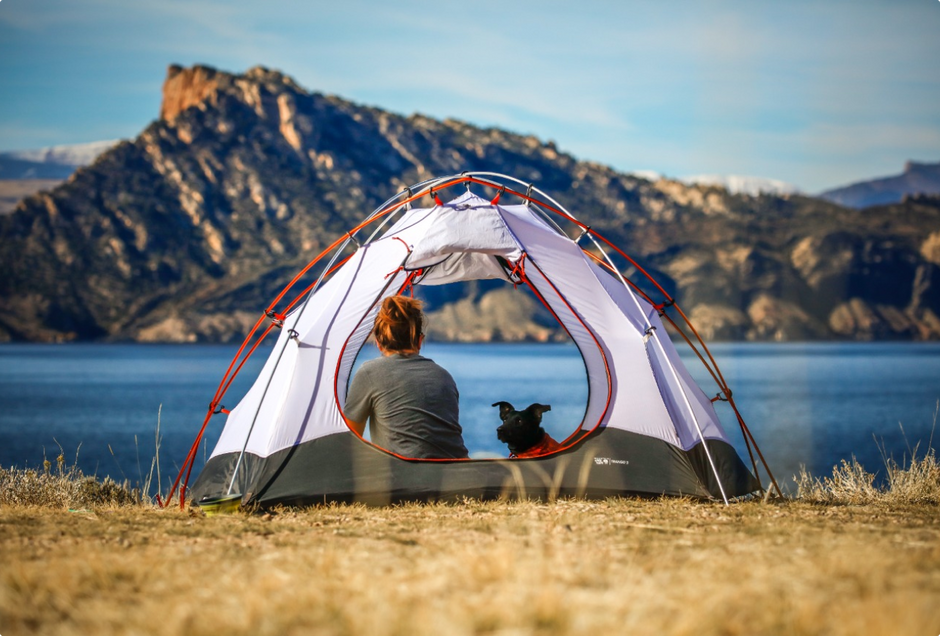
Our flagship Tesla Camping Tent is engineered to expand your living area far past the rear bumper of your car. Once the rear hatch is opened, the integrated vehicle sleeve attaches around the car body, adding a spacious 7.2 x 6.9-foot standalone living room to your mobile campsite. This design creates a comfortable multi-zone layout where adults can rest inside the climate-controlled car cabin while children or friends sleep comfortably in the adjoining tent area.
A key engineering feature of our system is replacing traditional fiberglass or aluminum support rods with advanced, high-pressure air beam technology. This fast inflatable installation allows you to erect the entire structural frame in minutes using the included air pump, bypassing the complicated setup struggles common with old-school multi-piece pole networks. The inner tent walls are sewn from highly durable 210D Oxford fabric, while the outer shell and flooring use thickened 420D Oxford fabric to protect against sharp rock punctures and withstand demanding wilderness conditions.
The Physics of Camp Mode: Energy Conservation via Airtight Sealing
The main reason standard universal SUV tents fail when paired with electric vehicles is their lack of an airtight connection. Universal tents rely on simple elastic bands and loose plastic straps that leave large gaps along the rear wheel wells and bumper interfaces. When you activate your vehicle\'s climate controls, the car blower motor continuously pushes conditioned air out through these gaps, forcing your battery pack to work overtime and draining your State of Charge (SoC) quickly.
We designed our specialized attachment sleeve to create a tight, secure seal around the vehicle body using heavy-duty Velcro and custom form-fitted elastic borders. This sealed connection allows you to run your climate controls efficiently, circulating warm or cool air throughout the entire tent space. To explore how this airtight integration protects your battery and transforms overnight travel comfort, check out our comprehensive technical breakdown on the official Tentsla X1 Tent product page.
Transport Logistics: Stowing Gear inside the Frunk and Sub-Trunk
A successful overland expedition relies on smart packing choices. Because electric vehicles lack a traditional front engine block, they offer an extra 4.1 cubic feet of dry storage space inside the front trunk (frunk). This separate front bin is an ideal spot to store muddy hiking boots, tire inflators, and heavy recovery gear, keeping your primary passenger cabin clean and odor-free.
When loading your vehicle for a trip, your packing team should utilize the deep underfloor sub-trunk wells in the rear cargo deck. When deflated and rolled into its heavy-duty duffel bag, the entire X1 system weighs 35 pounds and fits perfectly inside the deep lower trunk well. This smart layout keeps the main upper trunk deck clear, leaving plenty of room to pack premium Tesla Car Camping Accessories like custom window privacy shades, portable refrigerators, and compact camping tables flush against the folded seats.
For long-distance road trips, keeping your gear organized ensures a smooth and stress-free journey. Using high-quality storage cases and custom-fit organizers helps you maximize every cubic inch of your vehicle\'s cargo areas. Sourcing durable, vehicle-specific gear from an established Tesla Car Camping Tents specialist ensures your basecamp equipment packs down cleanly and performs reliably through years of rugged outdoor adventures.
Frequently Asked Questions
Can I use the Tentsla X1 as a regular standalone tent if I drive away?
From our experience, yes. The vehicle attachment sleeve is designed with an integrated zip-close weather door. This allows you to easily detach the car sleeve, seal up the tent wall, and drive your vehicle away for daytime trail runs or supply trips without needing to take down your main basecamp structure.
How much battery charge does running Camp Mode typically consume overnight?
Under standard weather conditions (outside temperatures around 45°F to 50°F), maintaining a comfortable 70°F cabin temperature consumes approximately 1% to 1.5% of your total battery capacity per hour. Utilizing a tightly sealed connection sleeve prevents warm air loss, helping minimize your overall energy usage.
What is the waterproof rating of the Tentsla X1 fabric panels and floor?
The main tent body and rainfly panels feature a high-performance waterproof polyurethane coating rated to withstand 3,000mm of hydrostatic pressure. The heavy-duty 420D Oxford fabric floor section is reinforced to handle up to 6,000mm of pressure, keeping your sleeping area completely dry during intense downpours.
Does the inflatable air beam system handle high winds safely?
We recommend using our inflatable air beams in high-wind conditions because they offer superior flexibility compared to rigid metal poles. Under heavy wind gusts, the air beams can bend slightly to absorb the aerodynamic load and pop right back into their original shape, eliminating the risk of cracked or snapped fiberglass rods.
Technical References & Environmental Protection Standards
1. Tesla Owner\'s Manual - Model Y Internal Volumetric Capacities and Camp Mode Power Consumption Metrics.
2. ASTM D3776/D3884: Standard Test Methods for Mass per Unit Area and Abrasion Resistance of Woven Industrial Fabrics (Oxford Poly Matrix).
3. ISO 811: Textile Fabrics - Determination of Resistance to Water Penetration via Hydrostatic Pressure Metrology Testing.
4. Tentsla Engineering Lab - Internal Aerodynamic Wind Tunnel Testing and Thermal Transfer Analytics for Inflatable Vehicle Structures.
5. Automated Power Management and Connected Hardware: Battery Energy Storage Systems Clean Energy Sourcing